What Makes Plunger Pumps the Ideal Choice for High-Pressure Applications?
Plunger pumps are widely recognized for their ability to handle high-pressure fluids efficiently and reliably. This article explores the design, working principles, advantages, applications, and maintenance strategies of plunger pumps. We will also compare them with other pump types, provide practical selection tips, and answer frequently asked questions to help engineers and decision-makers optimize their hydraulic systems.
Table of Contents
- Introduction to Plunger Pumps
- How Plunger Pumps Work
- Advantages of Plunger Pumps
- Applications in High-Pressure Systems
- Plunger Pumps vs Other Pumps
- Maintenance and Longevity Tips
- How to Choose the Right Plunger Pump
- Frequently Asked Questions (FAQ)
- Conclusion & Marketing Call-to-Action
Introduction to Plunger Pumps
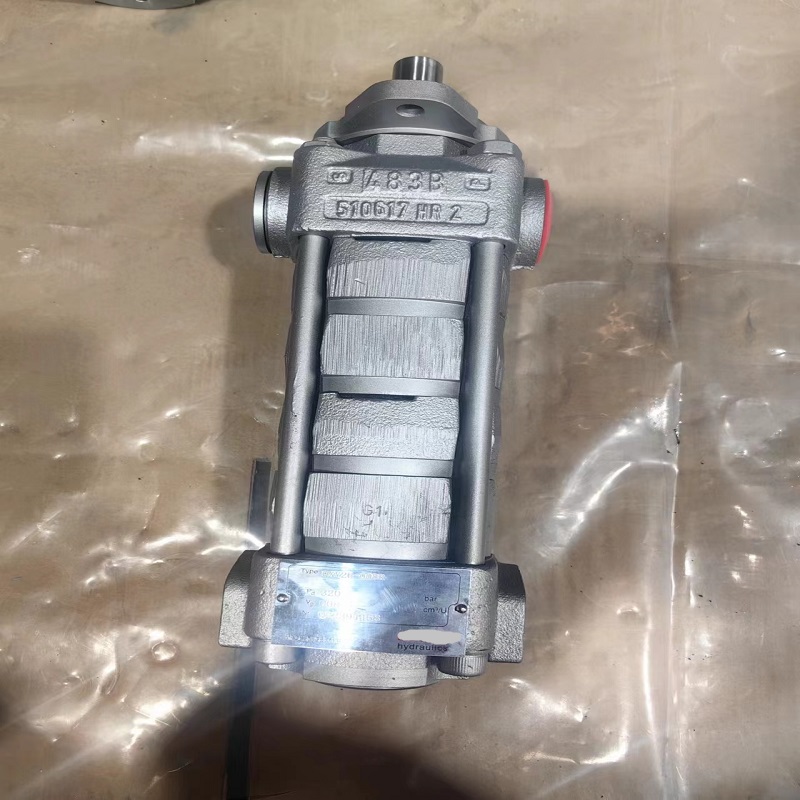
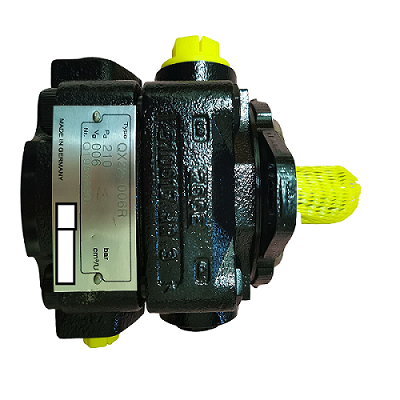
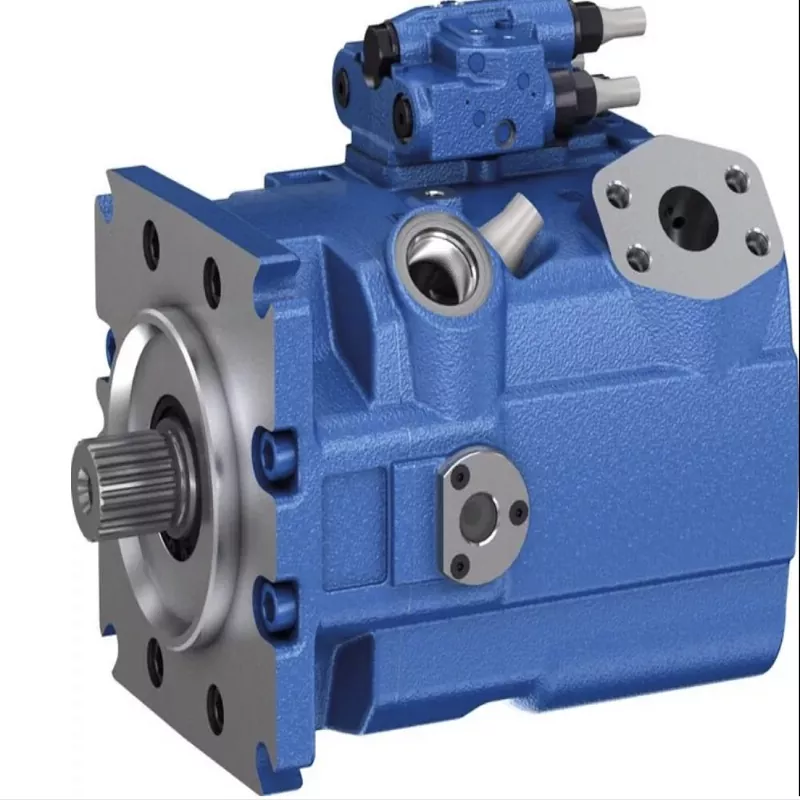
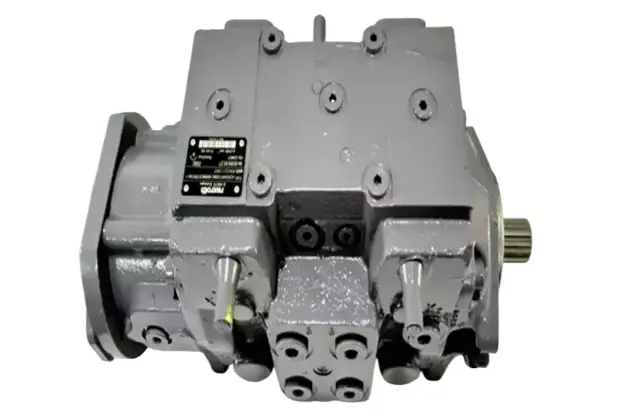
Plunger pumps are a type of positive displacement pump designed for delivering precise volumes of liquid at high pressures. Unlike other pumps, they use a reciprocating plunger instead of a piston, which allows them to handle higher pressures with less wear and higher efficiency.
Hengmeisi, a trusted name in hydraulic equipment manufacturing, provides a range of high-quality plunger pumps for industrial applications.
- High-pressure performance
- Durable construction
- Wide fluid compatibility
- Precise flow control
How Plunger Pumps Work
The operational principle of a plunger pump is based on positive displacement. During the suction stroke, liquid enters the pump chamber through a check valve. When the plunger moves forward, it pushes the fluid out under high pressure through a delivery valve.
Key Components:
- Plunger/Ram
- Pump chamber
- Inlet and outlet check valves
- Drive mechanism (crankshaft or cam)
Working Cycle:
- Suction: Liquid enters the chamber.
- Compression: Plunger moves forward, pressurizing fluid.
- Discharge: Fluid exits through delivery valve at high pressure.
- Repeat: Continuous cycles maintain steady flow.
Advantages of Plunger Pumps
Plunger pumps are ideal for high-pressure applications due to the following benefits:
| Advantage | Description |
|---|---|
| High Pressure Capability | Plunger pumps can operate at pressures exceeding 1000 bar, making them suitable for industrial hydraulics. |
| Durability | With fewer moving parts in direct contact with the fluid, wear is minimized, extending operational life. |
| Precision | They provide consistent flow rates with minimal pulsation, essential for precise hydraulic systems. |
| Versatility | Compatible with viscous, abrasive, and chemically aggressive fluids. |
| Energy Efficiency | Efficient energy conversion due to direct fluid displacement. |
Applications in High-Pressure Systems
Plunger pumps are widely used across industries where high-pressure and precise flow control are critical.
- Hydraulic Presses: Provide precise, high-pressure hydraulic fluid for metal forming.
- Oil & Gas: Injection and transfer of crude oil, chemicals, and drilling fluids.
- Water Jet Cutting: Generate high-pressure streams for cutting metals and composites.
- Chemical Processing: Handle corrosive and viscous fluids with accuracy.
- Power Plants: High-pressure feed water and cooling fluid circulation.
For industrial-grade plunger pumps, see Hengmeisi's full product range.
Plunger Pumps vs Other Pumps
Understanding how plunger pumps differ from piston, gear, and diaphragm pumps helps in selecting the right pump for your system.
| Type | Pressure Capability | Flow Rate Accuracy | Typical Applications |
|---|---|---|---|
| Plunger Pump | Up to 1000+ bar | High | Hydraulic presses, high-pressure cleaning, oil & gas |
| Piston Pump | Moderate | Medium | General hydraulics, medium-pressure applications |
| Gear Pump | Low to medium | Low | Lubrication, chemical transfer |
| Diaphragm Pump | Medium | Medium | Corrosive fluids, metering |
Maintenance and Longevity Tips
Proper maintenance is crucial to maximize the lifespan of plunger pumps.
- Regular Inspection: Check seals, valves, and plunger surfaces for wear.
- Lubrication: Ensure moving parts are adequately lubricated to reduce friction.
- Filtration: Use clean fluids and proper filtration to prevent particle damage.
- Pressure Monitoring: Avoid over-pressurization to prevent pump failure.
- Scheduled Overhaul: Replace worn parts based on manufacturer recommendations.
How to Choose the Right Plunger Pump
When selecting a plunger pump for high-pressure applications, consider the following factors:
- Maximum operating pressure and flow rate.
- Fluid type and viscosity.
- Material
Previous :
-
Related News
Leave me a message