What is the Difference Between a Gear Pump and a PD Pump?
At first glance, this question might seem confusing. After all, a gear pump is a type of PD (positive displacement) pump. However, the phrasing is often used to compare gear pumps (a specific category) against other types of positive displacement pumps, such as vane pumps, piston pumps, lobe pumps, or peristaltic pumps.
To provide a clear and useful answer, this article will first clarify the relationship, then contrast gear pumps with other common PD pump designs.
The Short Answer
A gear pump is one specific type of positive displacement pump. Therefore, the real question is: How does a gear pump differ from other kinds of PD pumps (e.g., vane, piston, lobe, or peristaltic pumps)?
The main differences lie in their operating principle, pressure capability, flow characteristics, fluid compatibility, and internal construction.
Operating Principle
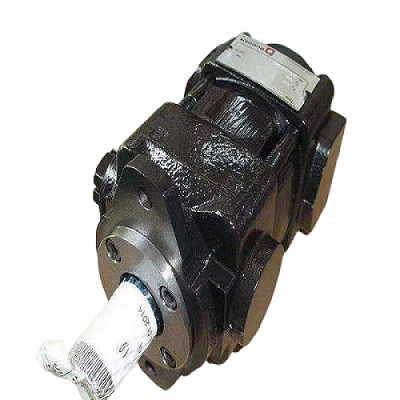
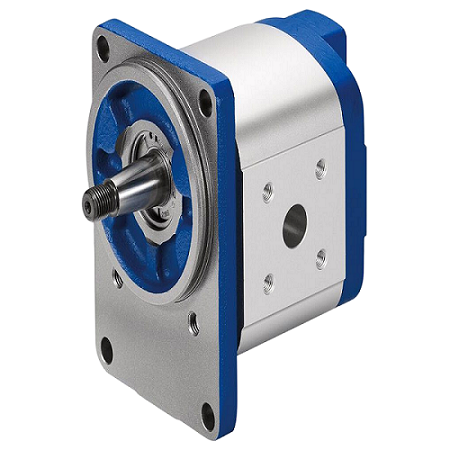
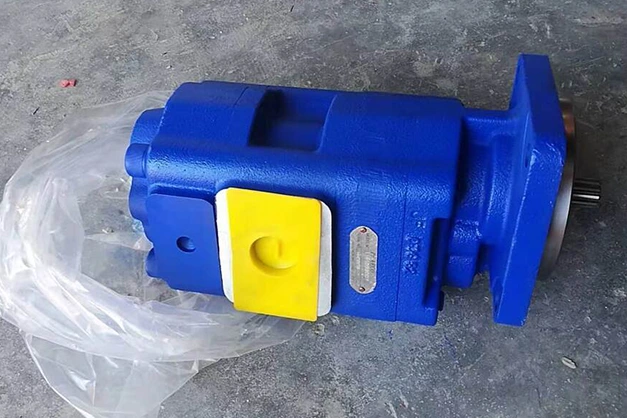
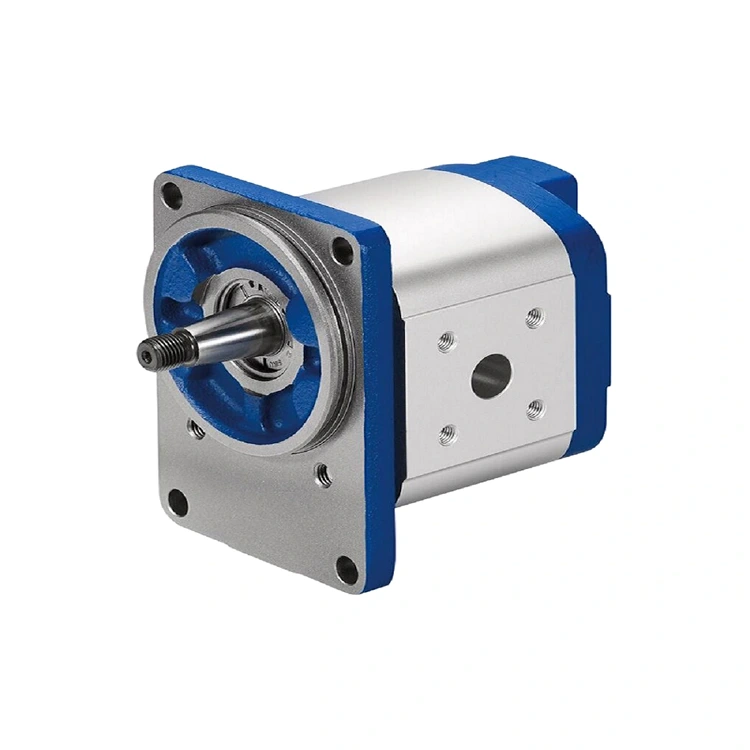
Gear Pump: Uses two or more interlocking gears (typically external or internal) rotating inside a tight housing. Fluid is trapped between the gear teeth and the casing, then carried from the inlet to the outlet. As the teeth mesh, the fluid is forced out.
Other PD Pumps:
Vane pumps use sliding vanes in a slotted rotor.
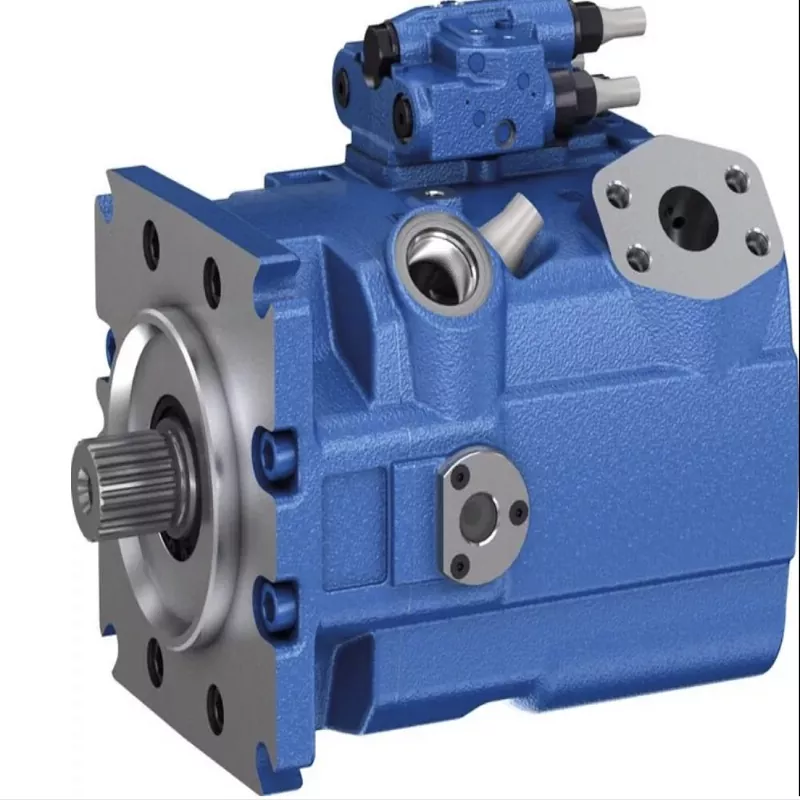
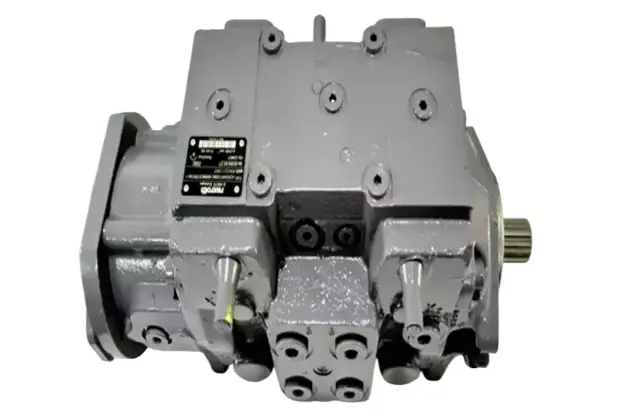
Piston pumps use reciprocating pistons in cylinders.
Lobe pumps use rotating lobes that never touch.
Peristaltic pumps squeeze fluid through a flexible hose.
Flow Pulsation / Smoothness
Gear pump: Provides a relatively smooth, continuous flow because the gear teeth mesh constantly. However, a small amount of pulsation (called "trapping" or "gear ripple") exists, usually reduced by using helical gears.
Piston pump: Produces distinct pulsating flow due to the reciprocating motion of pistons. A three-piston (triplex) pump is smoother than a single-piston pump but still less smooth than a gear pump.
Vane pump (balanced): Very smooth flow, comparable to or better than gear pumps, due to two discharge cycles per revolution.
Key difference: Gear pumps and balanced vane pumps are among the smoothest PD pumps. Single-cylinder piston pumps are the most pulsating.
Handling of Solids and Abrasives
Gear pump: Tight clearances (often 0.001–0.005 inches) make gear pumps sensitive to abrasive particles. Solids can jam gears, accelerate wear, or cause scoring. Gear pumps generally require clean fluids or fine filtration (e.g., 25–50 microns).
Lobe pump: Larger internal clearances and non-contacting lobes allow lobe pumps to handle small solids (e.g., cherries in pie filling) without damage.
Peristaltic pump: No seals or rotors contact the fluid — only the hose touches the medium. This makes peristaltic pumps ideal for slurries, abrasive muds, and shear-sensitive fluids.
Key difference: Gear pumps are not suitable for abrasive or solids-laden fluids. Many other PD pumps (lobe, peristaltic, progressive cavity) are designed specifically for such tough duties.
Viscosity Range
Gear pump: Excels at handling medium-to-high viscosity fluids (e.g., oils, syrups, chocolate, glue). In fact, higher viscosity improves volumetric efficiency by reducing internal slip. However, very low viscosity fluids (like water or solvents) cause high slip and poor performance.
Other PD pumps:
Piston pumps: Handle a wide range, including low-viscosity fluids very well, but may struggle with extremely thick pastes unless specially designed.
Progressive cavity pumps: Handle ultra-high viscosities (over 1,000,000 cP) easily.
Vane pumps: Work well with low-to-medium viscosity fluids but can struggle with very thick fluids.
Key difference: Gear pumps are the preferred choice for high-viscosity fluids. Piston pumps are better for low-viscosity, high-pressure applications.
Reversibility
Gear pump (external): Many external gear pumps are reversible — simply change the direction of rotation to reverse flow. This is useful in hydraulic circuits and lubrication systems.
Most other PD pumps:
Vane pumps: Usually not reversible or require internal modifications.
Piston pumps: Many are not reversible without complex valving.
Lobe pumps: Can be reversible (common in food processing for emptying tanks).
Peristaltic pumps: Easily reversible.
Key difference: Not unique to gear pumps — lobe and peristaltic pumps also offer easy reversibility.
Conclusion
The main difference between a gear pump and "a PD pump" (meaning other types of positive displacement pumps) comes down to their internal mechanisms and suitable applications:
Gear pumps are simple, inexpensive, smooth-flowing, and ideal for clean, medium-to-high viscosity fluids at low-to-medium pressures (e.g., lubricating oil, hydraulic oil, fuel, chocolate).
Other PD pumps—such as piston, vane, lobe, and peristaltic—each offer specialized advantages: piston pumps for ultra-high pressure, vane pumps for balanced high pressure, lobe pumps for gentle handling of solids, and peristaltic pumps for abrasive or sterile pumping.
Choosing the right pump means understanding that while a gear pump is indeed a positive displacement pump, it is not always the best choice. The application's pressure, viscosity, cleanliness, and budget will ultimately determine whether a gear pump or another PD pump type is the correct solution
Previous :
Related News
Leave me a message