Basic Knowledge of Hydraulics
Overview of Hydraulic System
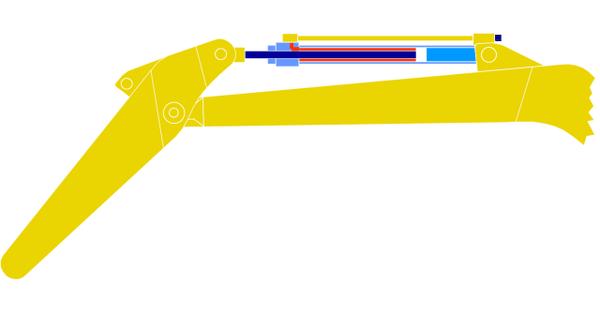
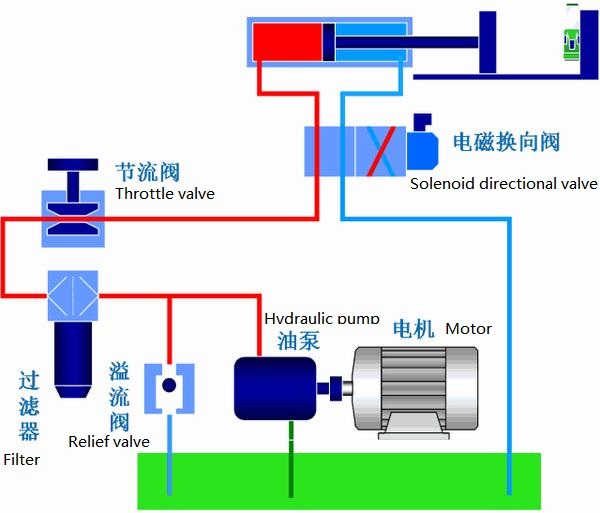
Hydraulic systems are mainly divided into transmission system and control system. The hydraulic transmission system functions to transmit power and motion, and deliver hydraulic oil. Hydraulic oil flows into the cylinder chamber, driving the piston rod to extend or retract to complete various movements.
As shown in the figure, the side with the piston rod is the rod chamber, and the opposite side is the rodless chamber. The piston rod extends when oil enters the rodless chamber, and retracts when oil flows into the rod chamber.
Functions of Components
Hydraulic cylinder: Actuating element
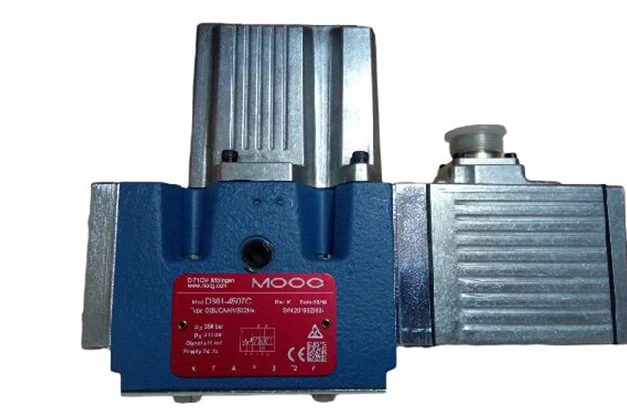
Solenoid directional valve: Controls connection, disconnection and flow direction of hydraulic circuit
Throttle valve: Adjusts fluid flow by changing throttle cross-section or length
Pressure line filter: Blocks impurities to avoid component wear and jamming
Relief valve: Maintains constant pressure, pressure overflow, system unloading and safety protection
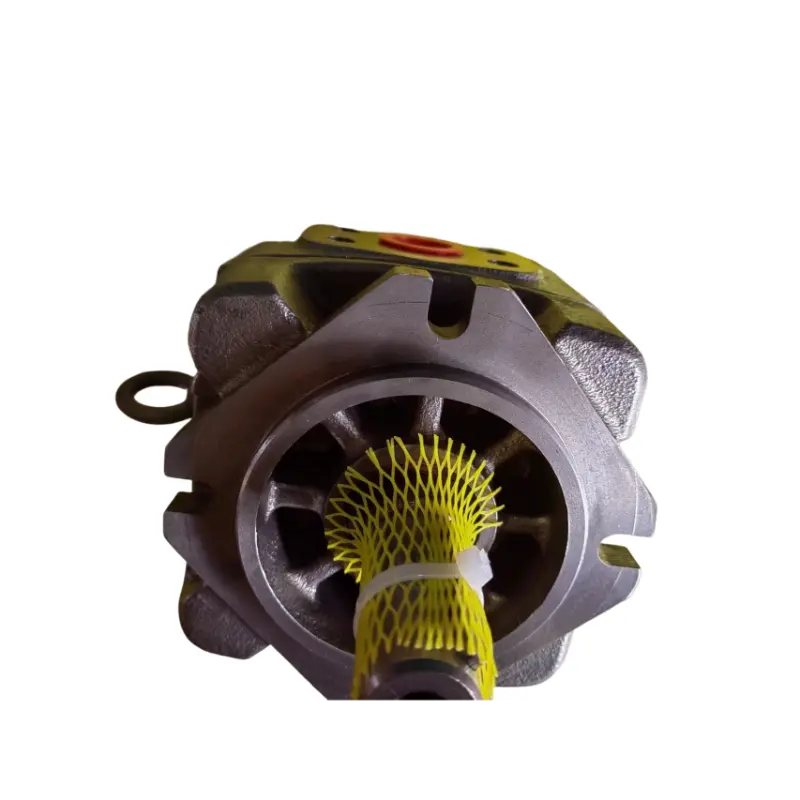
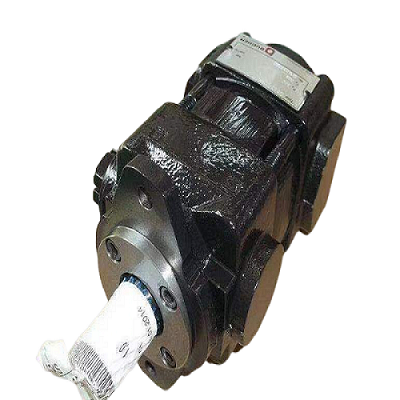
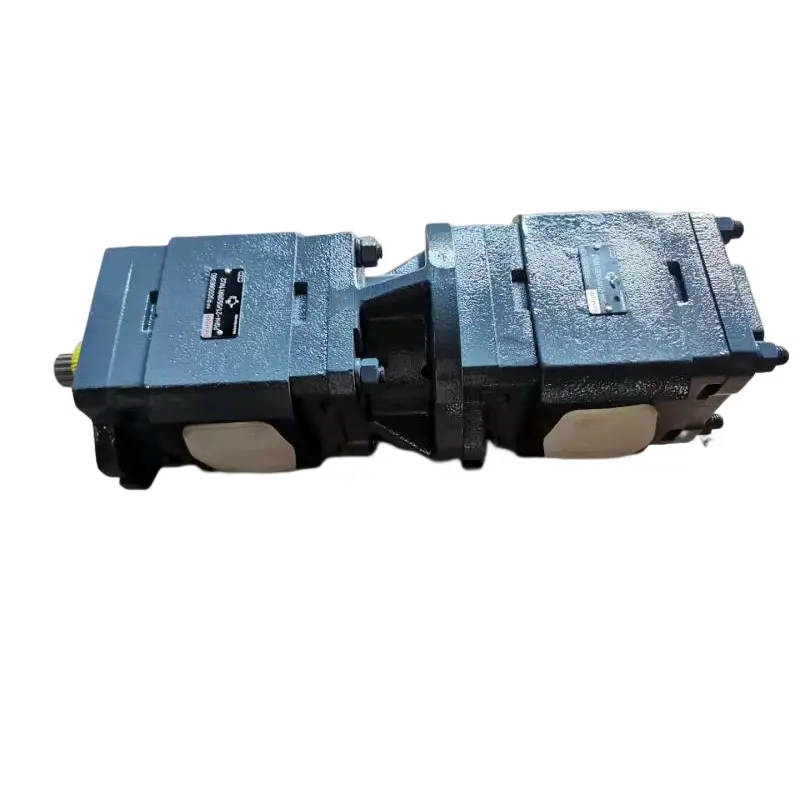
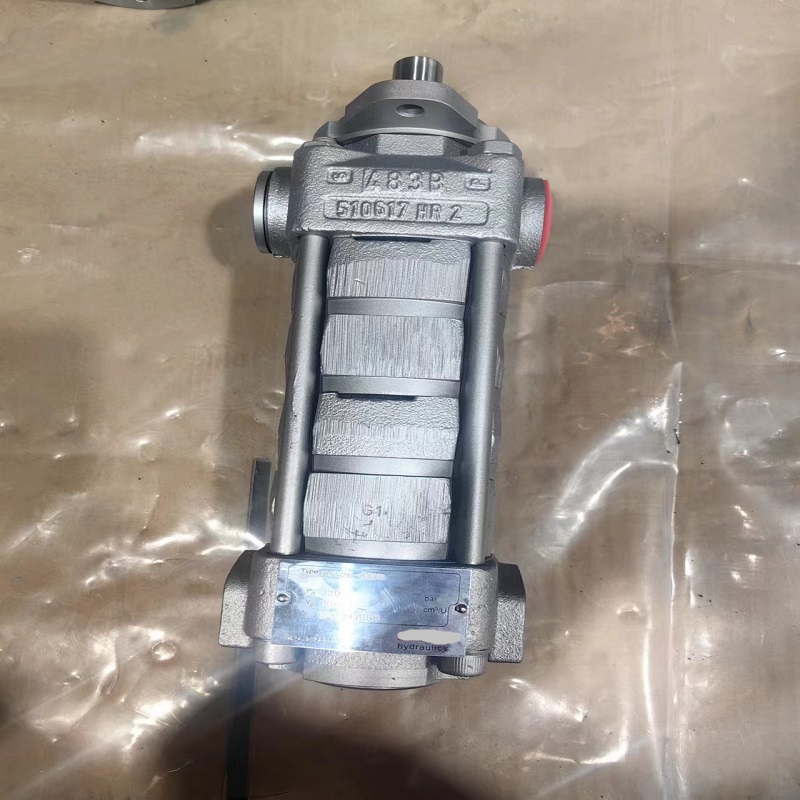
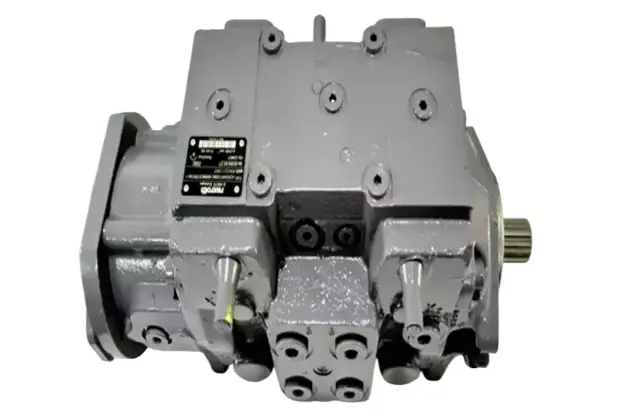
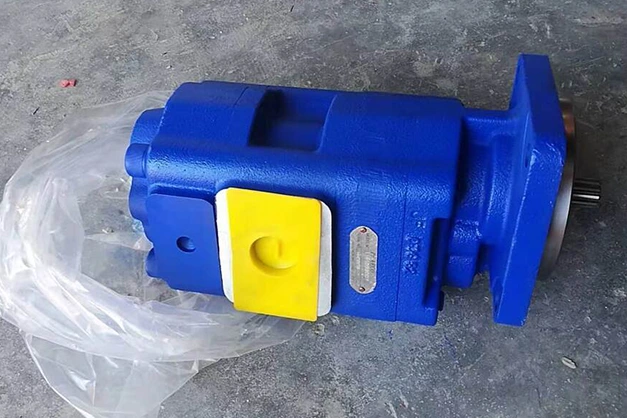
Hydraulic pump: Converts mechanical energy into hydraulic energy
Motor: Power source
As shown in the figure, the right side of the cylinder with the piston rod is the rod chamber, and the other side is the rodless chamber. The piston rod extends when hydraulic oil enters the rodless chamber, and retracts when hydraulic oil flows into the rod chamber.
Previous :
Next :
-
Related News
Leave me a message